
Protecting More Than Just Paint
PureShield engineers paint protection film, ceramic and graphene coatings, and precision window film for owners who expect factory-perfect finish and real, tested protection — not marketing gloss.
Studio finish, protected
Flagship Products
One Brand, Full-Vehicle Protection
Every PureShield product is designed to work as part of a single protection system — film, coating, and film for glass.

Paint Protection Film
PureShield PPF
Blue, Black, and Red Series — self-healing TPU film in a tier for every budget and finish preference.

Coatings
Ceramic, Graphene & Borophene
From foundational ceramic to our elite Borophene chemistry — hydrophobic, high-gloss, long-term paint protection.

Window Film
Nano Ceramic Sunfilm
Up to 99% heat and UV rejection with the HD Series — optical clarity without the tint distortion.
Introducing PureShield PCU
PCU — Polycarbonate Urethane — is the next material step beyond standard TPU film. Polycarbonate chemistry blended into the polyurethane structure raises the ceiling on toughness, clarity, and resistance to the slow chemical breakdown that eventually yellows or hazes ordinary film.
- Elevated impact resistance over standard TPU film
- Higher optical clarity, lower haze
- Stronger resistance to hydrolysis, UV yellowing, and chemical breakdown
- Heat-activated self-healing top coat
Full spec sheet — light transmission, warranty term, and pricing — available on request.
Why It Matters
The Install
How Paint Protection Film Goes On
A clean, corrected panel and a patient hand decide how invisible the film looks. This is the process PureShield-trained installers follow.
Left: bare paint · Right: PureShield PPF
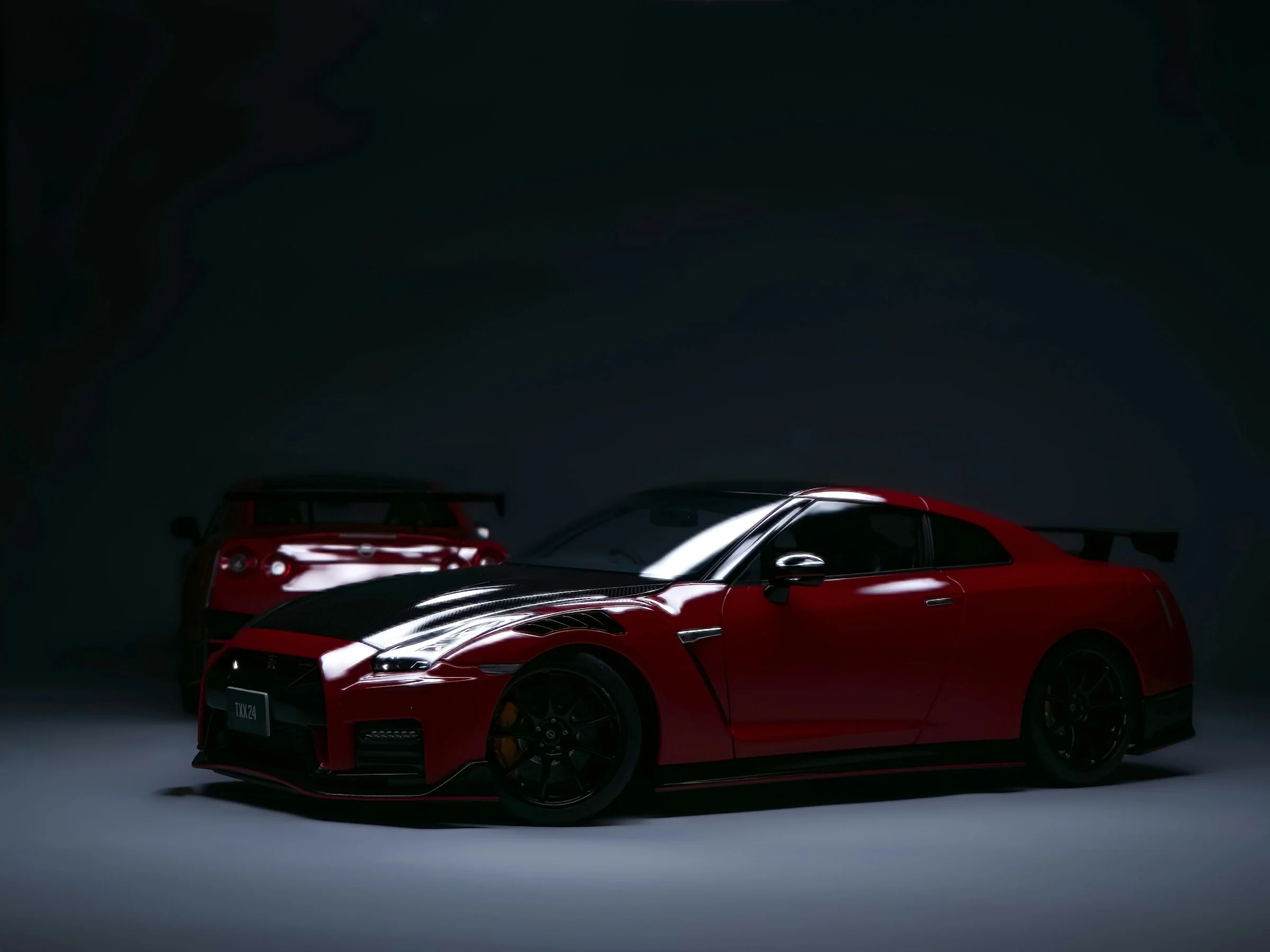
Animated before and after on real photography. The look is illustrative: gloss, depth and beading after film is applied.
- 01
Wash and decontaminate
Clay, iron remover and a panel wipe so no grit is trapped under the film.
- 02
Paint correction
Machine polish removes swirls first. Film locks in whatever finish is under it.
- 03
Plot, cut and wet
Pattern-cut film is floated on slip solution so it can be positioned.
- 04
Squeegee and wrap edges
Slip is pushed out from the centre, then edges are wrapped and sealed.
- 05
Cure and inspect
Heat-set the edges, check for lifts and give the owner care instructions.
Prep decides the result
Machine polishing before film is what separates a showroom finish from a trapped-swirl finish. Installers in the USA and India both start here, whatever film goes on top.
Film Anatomy
Three Layers Between Your Paint and the Road
Each layer has one job. Together they take the hit instead of your clear coat.
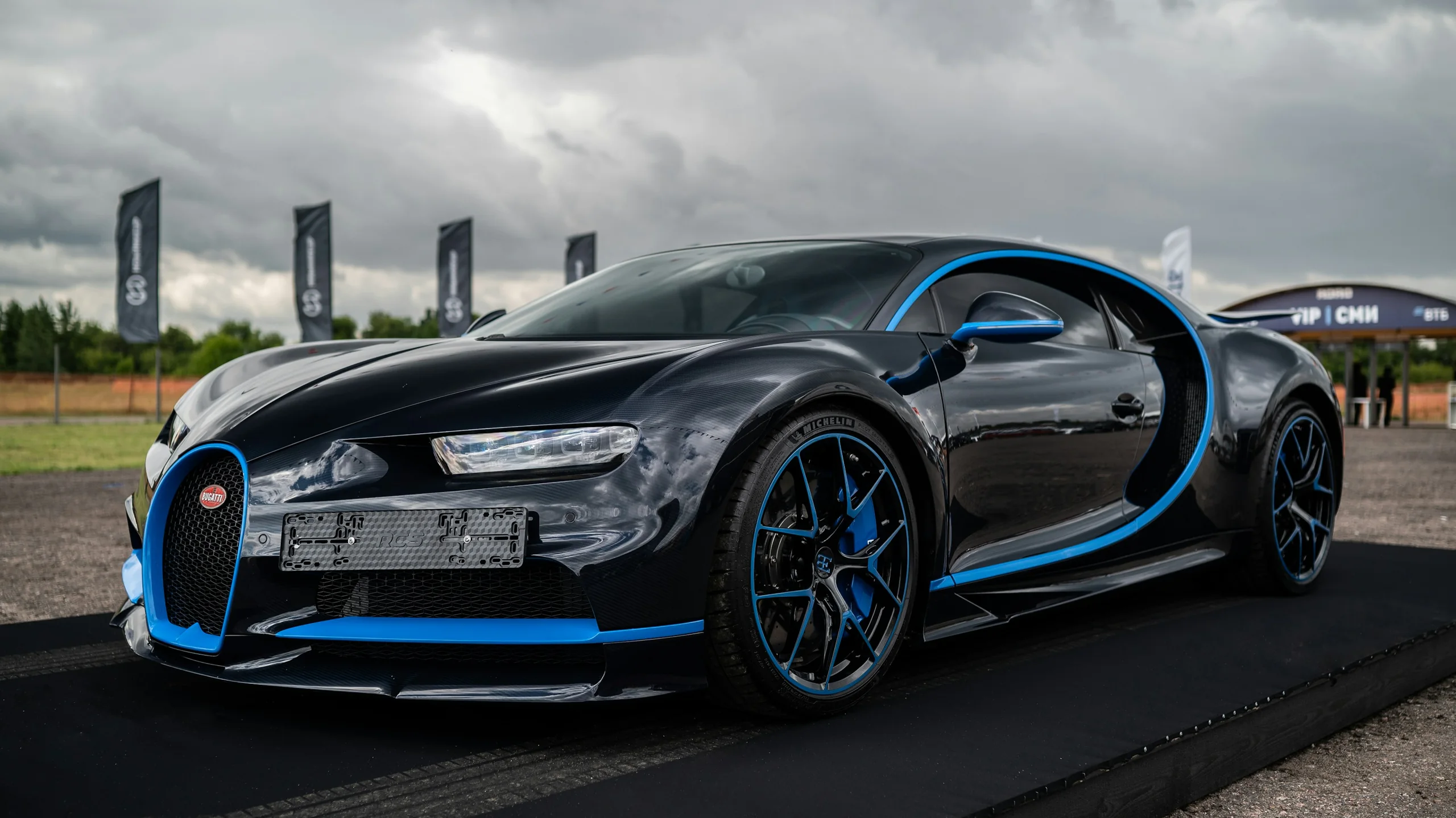
- 1
Self-healing top coat
Hydrophobic surface that closes light swirls with heat.
- 2
TPU or PCU film body
The tough, flexible polyurethane that absorbs chips and scratches.
- 3
Pressure-sensitive adhesive
Optically clear glue that holds, repositions and removes cleanly.
- 4
Factory clear coat and paint
The surface being protected, shown here as the Chiron's carbon-weave bonnet.
The layers lift off the bonnet as this section scrolls into view. The factory release liner is removed during installation.
Colour PPF
Change the Colour. Keep the Protection.
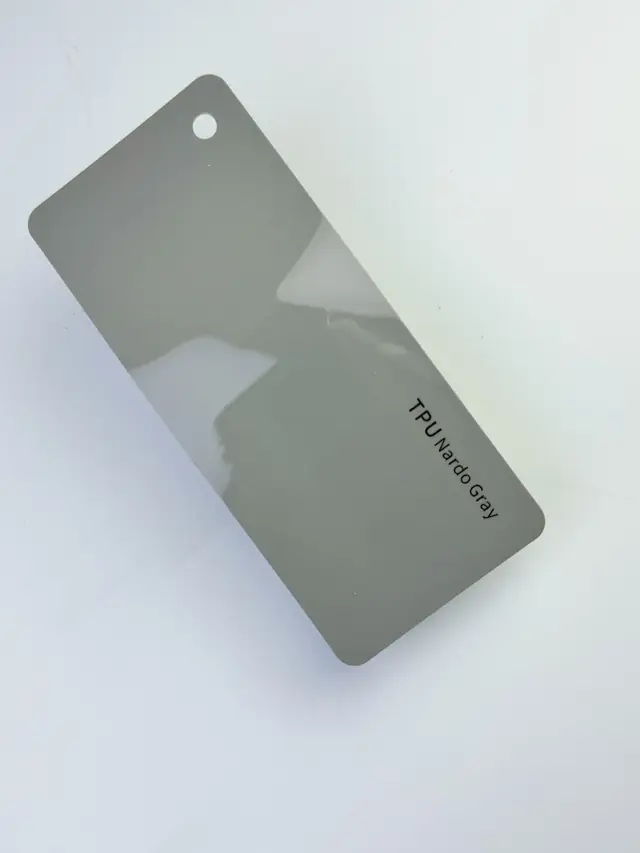
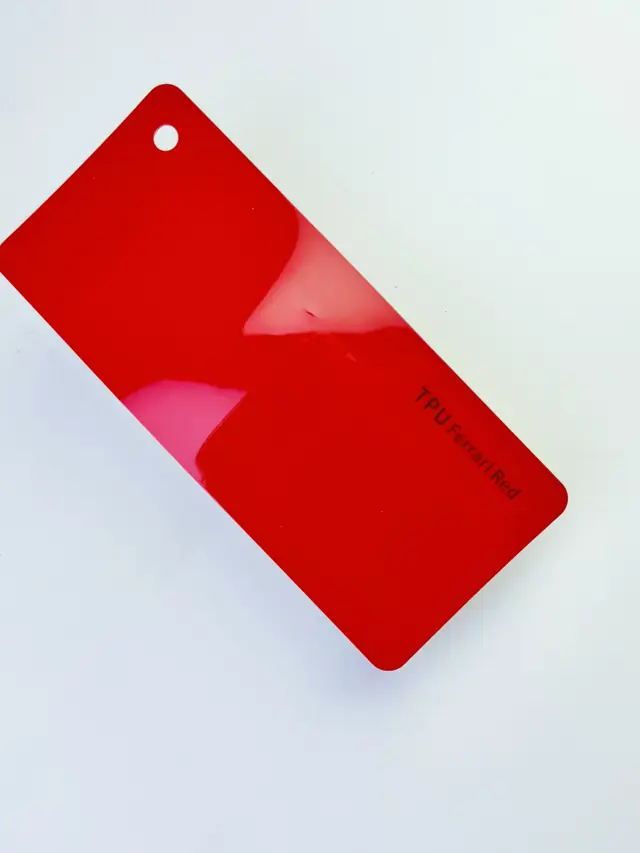
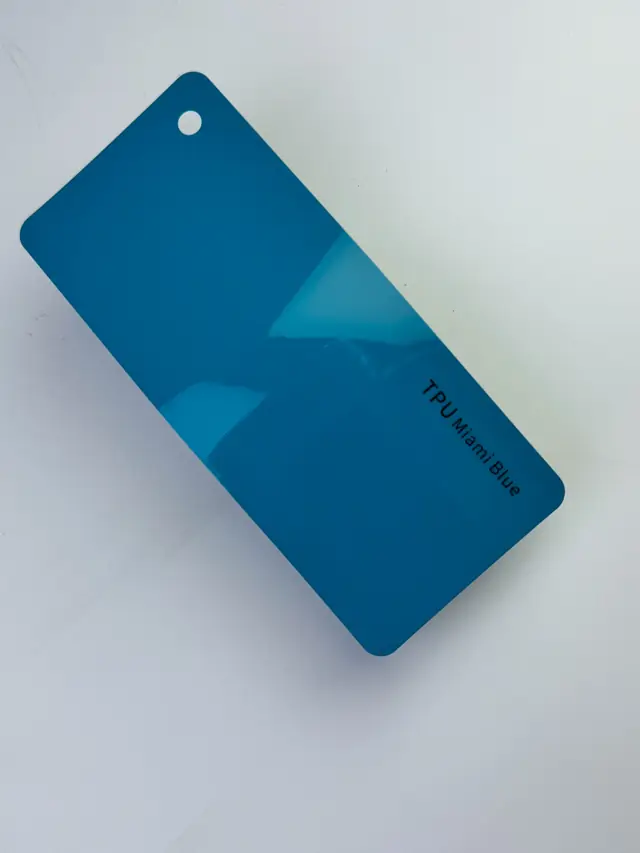
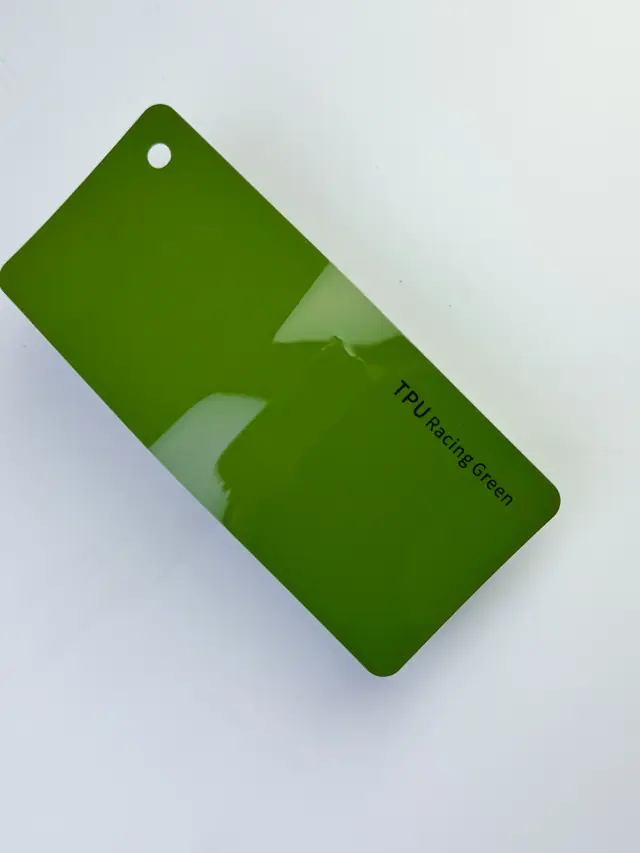
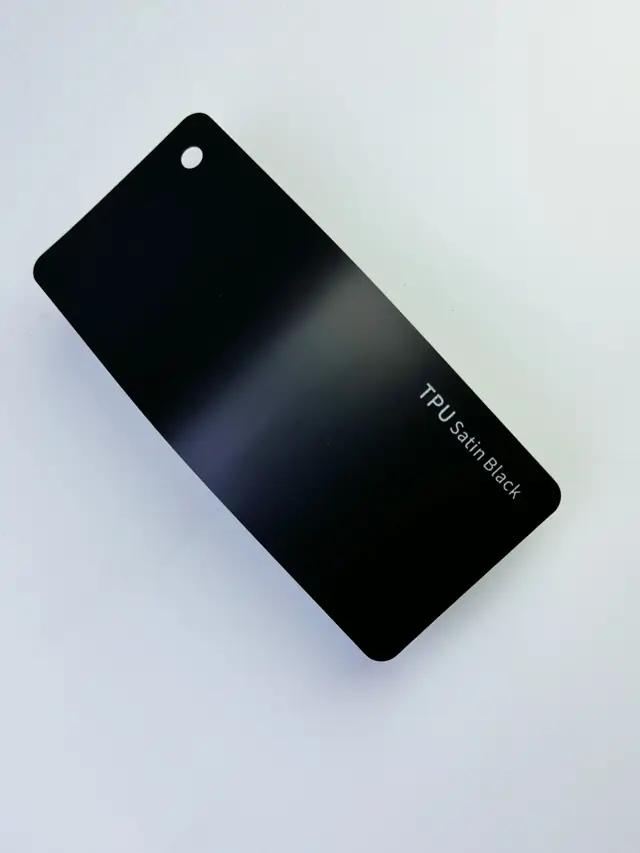
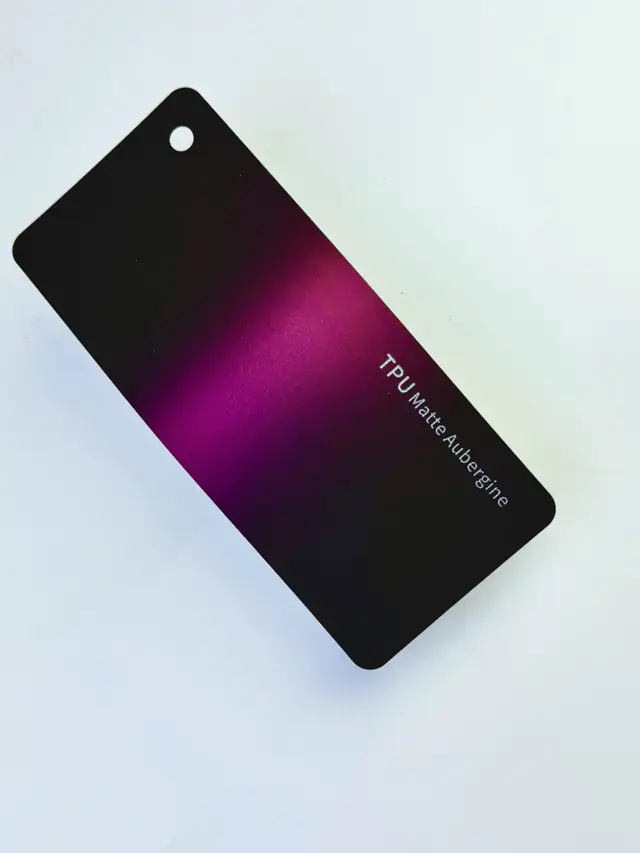
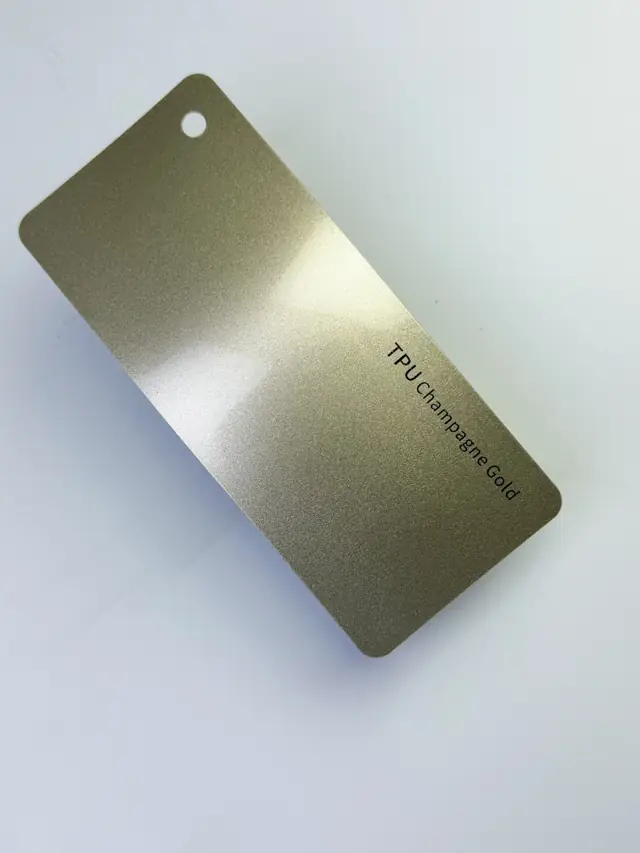
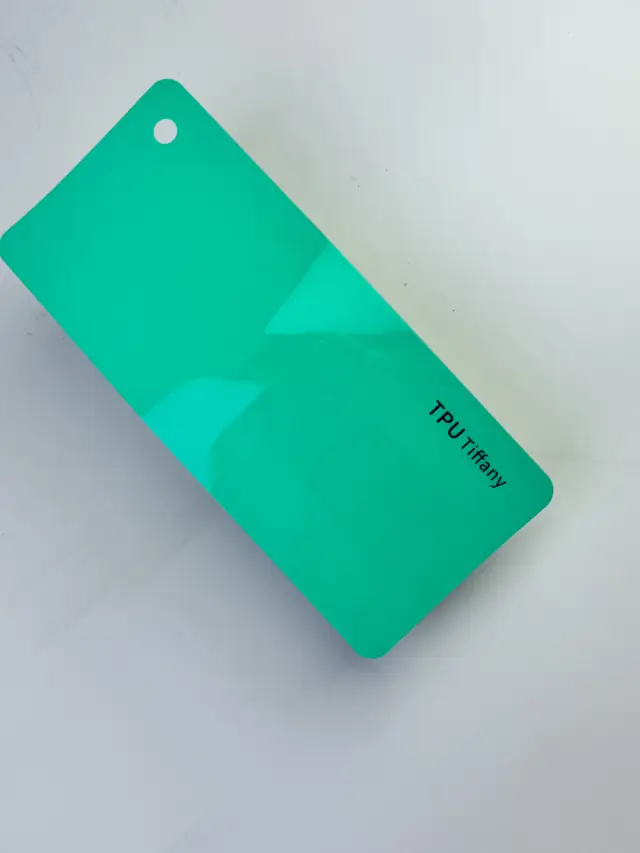
More than 330 gloss, satin matte and matte colours, all built on the same self-healing TPU construction.

Matte black
Satin and matte films keep the factory shape and change the mood.
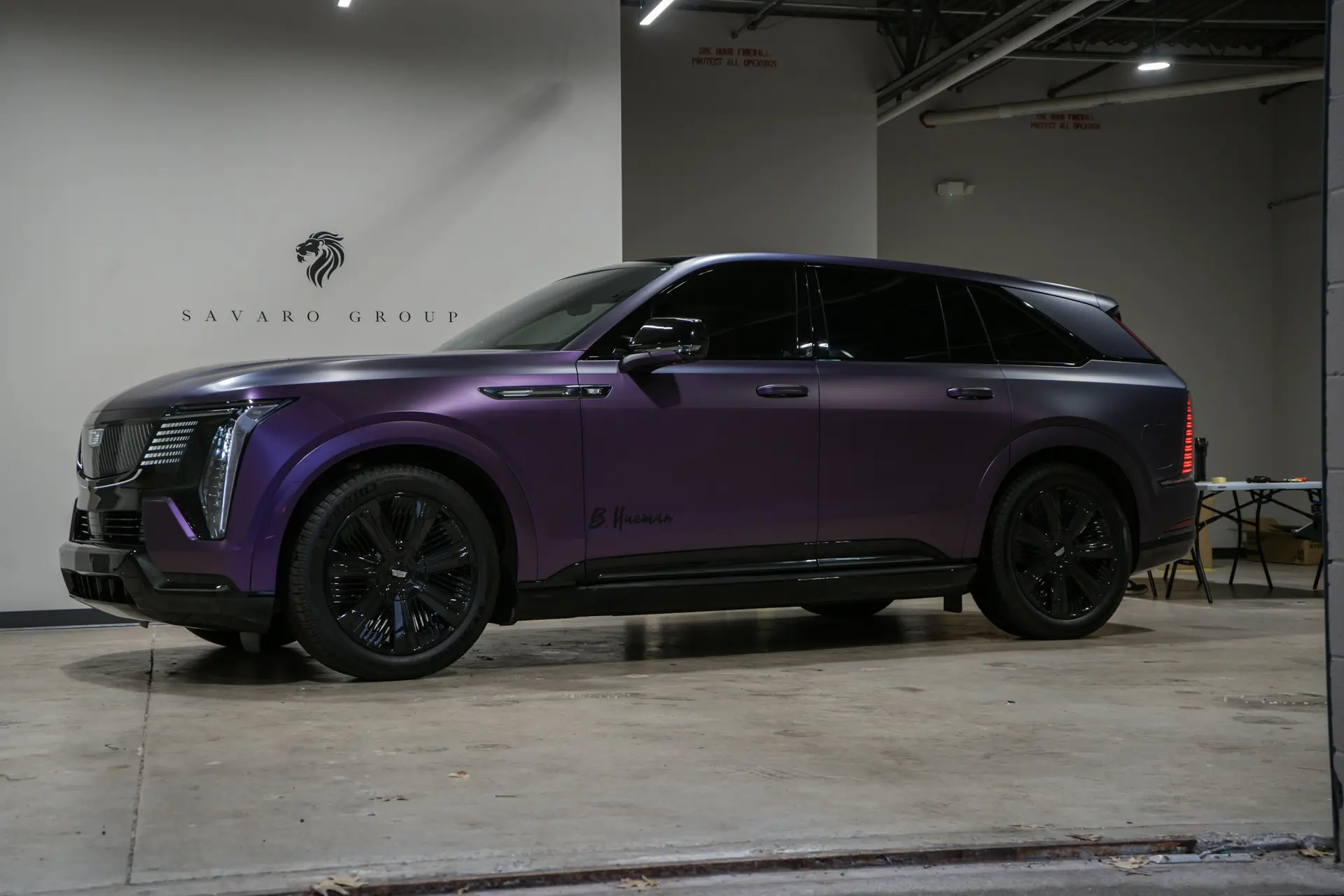
Satin purple
Colour PPF protects the paint and changes it in one install.
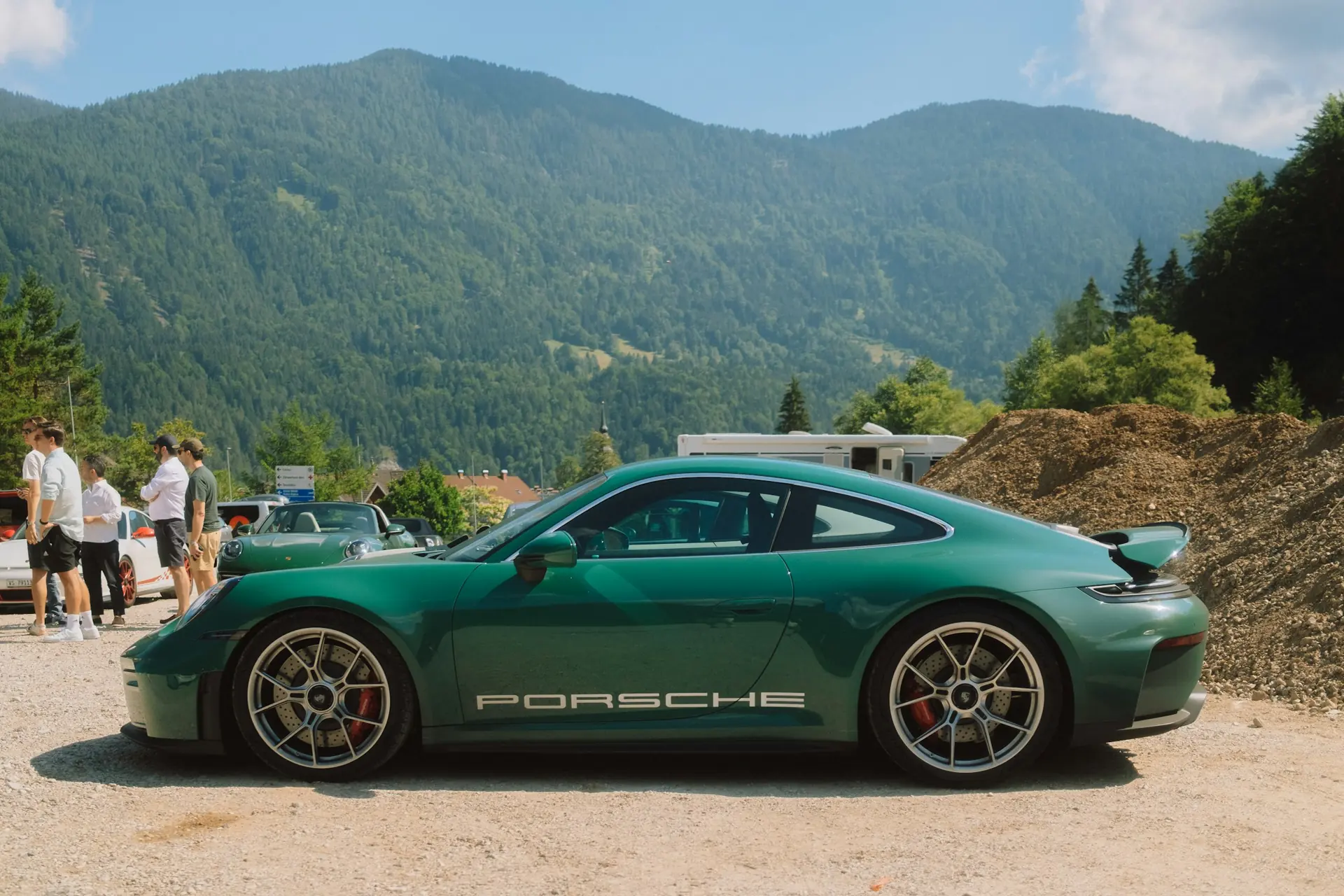
Gloss green
Deep gloss colours with the same self-healing top coat.
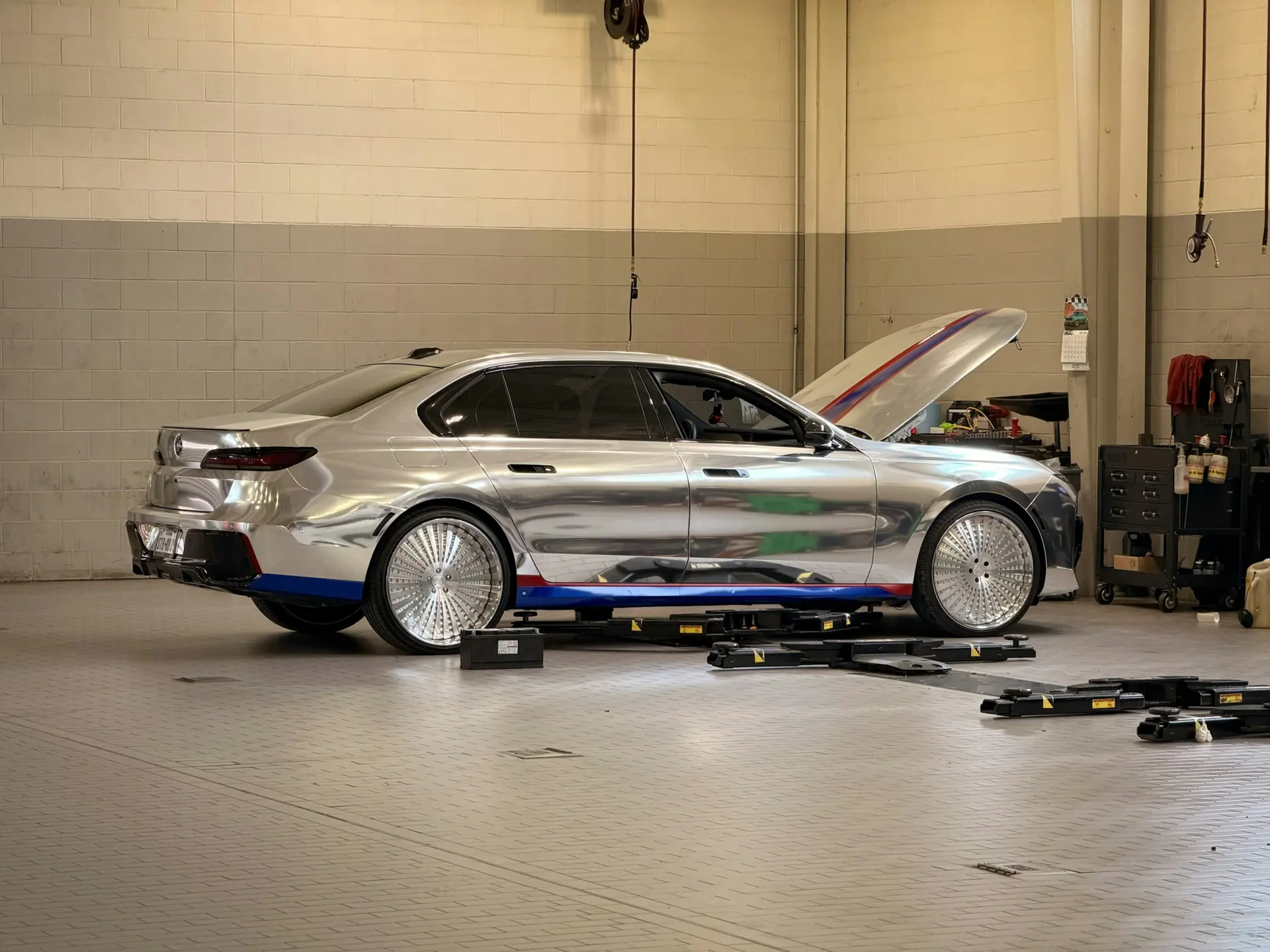
Chrome finish
Statement finishes for show builds and fleets.
From the 330+ colour swatch library
Two Markets
Built for Detailers in the USA and India
USA
- USA-sourced Ashland adhesive and Lubrizol TPU on the TPU range
- Warranty of 10 to 15 years, depending on the film
- PCU paint protection film launching in the USA
India
- Bengaluru-based PureShield dealer
- PCU range stable up to 120 °C (248 °F), 99% UV rejection
- PCU paint protection film launching in India
Why PureShield
Built By People Who Install It Themselves

Engineered Material Science
Multi-layer TPU construction with a self-healing polyurethane top coat — built to absorb impact, not just deflect it.

Proven on the Hardest Jobs
From factory vinyl wraps to embossed dual-texture finishes on 999-unit limited editions — see the installs most studios turn away.

Certified Craftsmanship
PureShield protection is applied by IDA (International Detailing Association) certified technicians, continuously trained on the latest application techniques.

A Full Protection System
PPF, ceramic and graphene coating, and precision window film — engineered to work together as one protection system, not sold as disconnected add-ons.
Proof, Not Promises
Installs Most Studios Turn Down
A look at the technical challenges our protection has been put through — the kind of installs that separate PureShield from a bulk-roll film brand.
Toyota Camry HEV
Full-Body PPF Over a Factory Vinyl Wrap
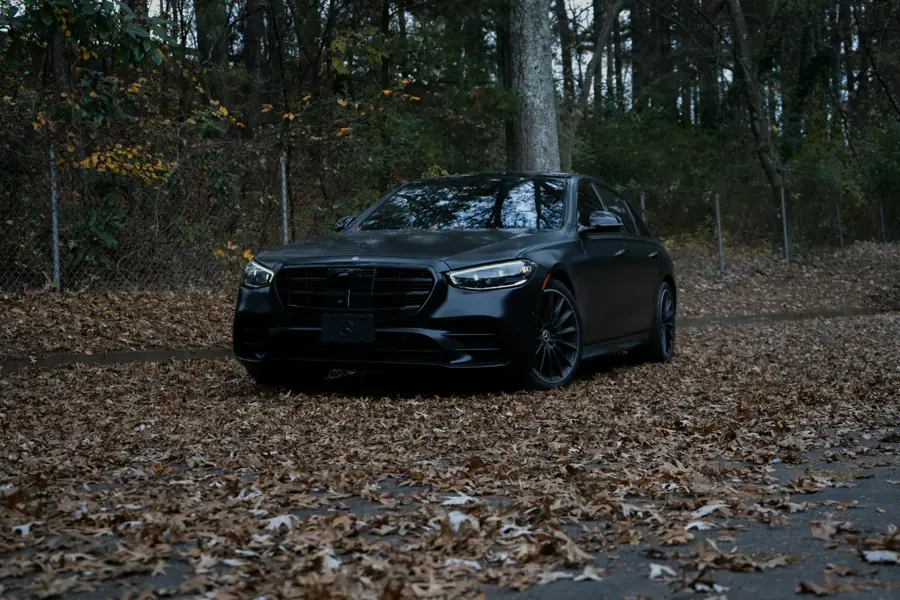
The car arrived with a factory matte-black vinyl wrap on the hood, roof, and trunk — a substrate PPF adhesive typically fails on. Our team developed a custom surface-prep, slip-solution, and edge-seal method to bond film cleanly to vinyl without lifting edges or trapping air.
Mahindra BE 6 Batman Edition
Dual-Grade PPF on a 999-Unit Factory Finish
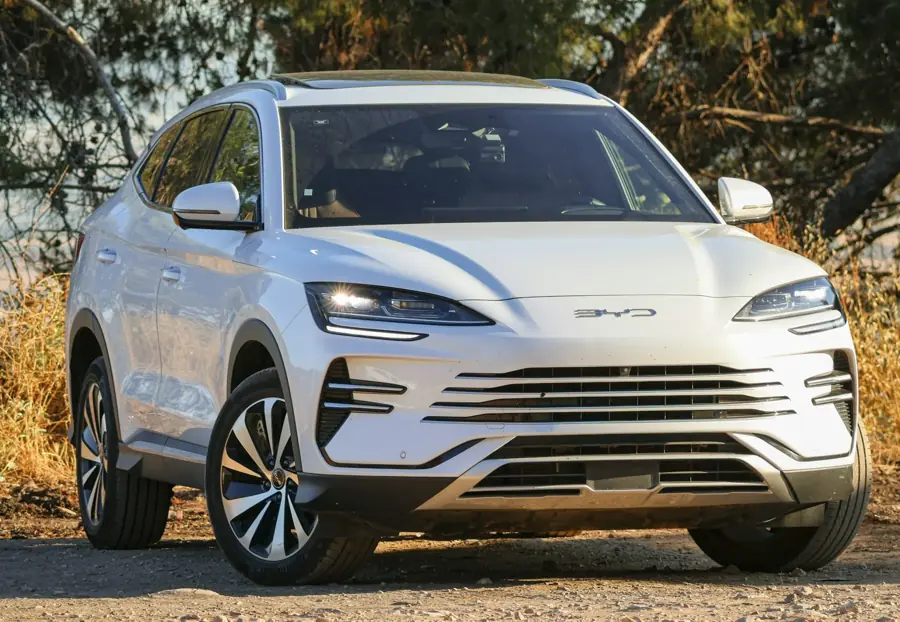
One of the rarest EVs on Indian roads — only 999 units built per year. The factory finish mixes matte and gloss panels with embossed Batman-branded stickers, a combination most studios won't touch because of edge-lifting risk on the embossed sections.
Ready to Protect Your Vehicle?
Tell us about your vehicle and finish goals — we'll walk you through the right PureShield system for it.
Get a Quote